Chalk Dust and Cliffhangers: Six RI Christmas Lectures That Still Out-Stage Modern Science TV
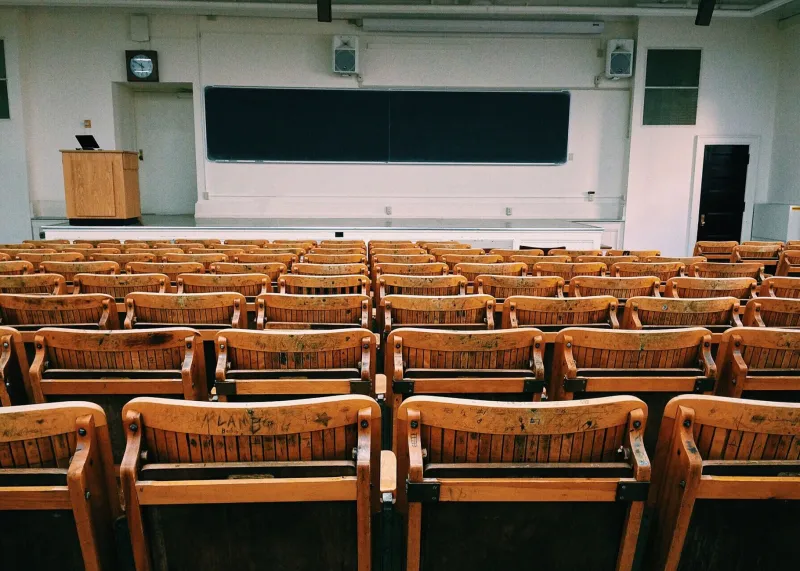
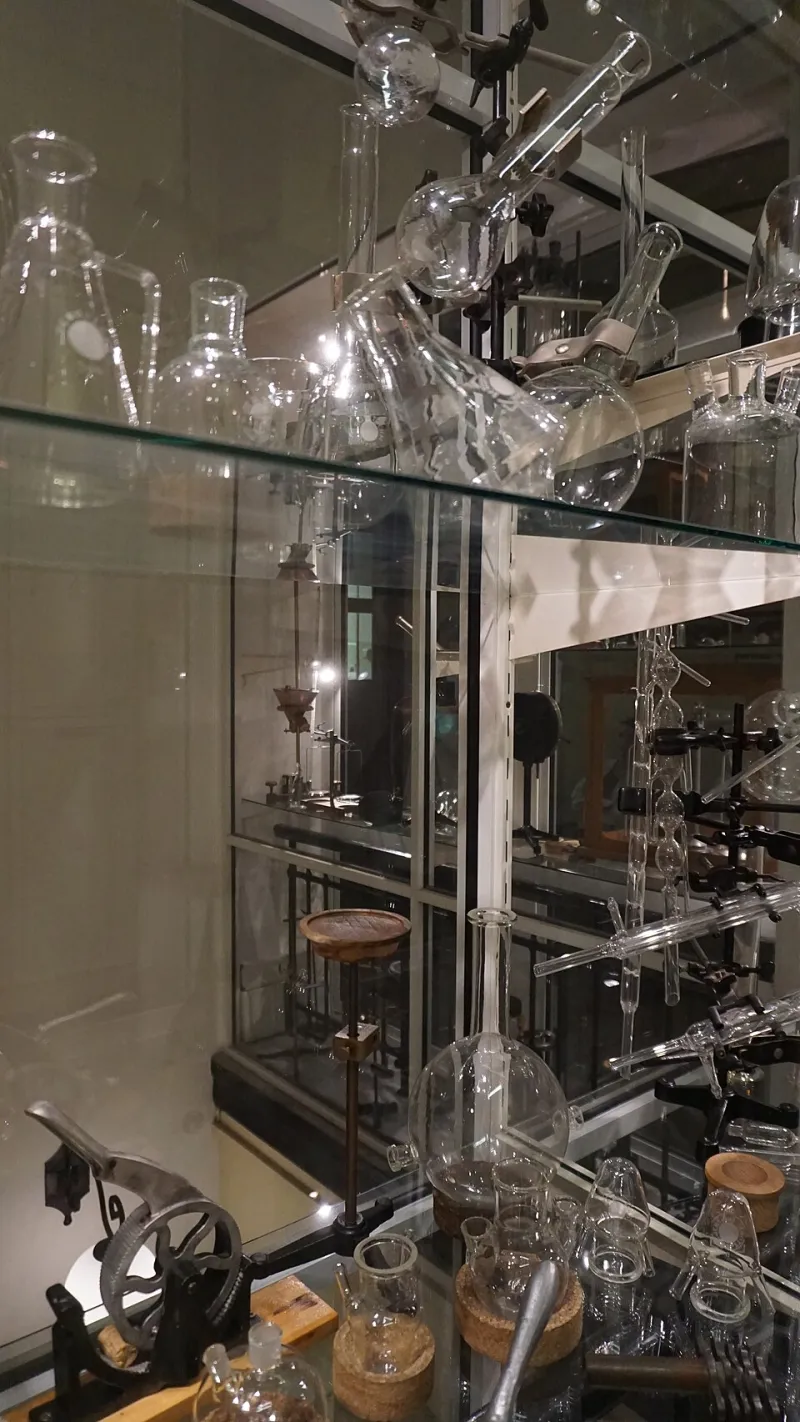
The Royal Institution's Christmas Lectures began in 1825 and have been a fixture of British telly since the 1930s. That makes them less a festive tradition than a very long-running science-film franchise: one room, one presenter, a live audience, and the dangerous possibility that a demo will sulk. Modern science TV often forgets that the lecture theatre is already a cinema. You do not need a crane shot if a glass tube is about to do something rude.
Below are six lectures or moments worth hunting down in the RI archive and on its YouTube channel, plus the production lessons UK filmmakers can steal. This is not a nostalgia trip: some old lectures are talky, badly lit and very much of their time. The good ones, though, still show how to make ideas feel like events.
1. Michael Faraday's candle lectures (1848 and 1860–61): the pilot episode
Faraday's lectures on the chemical history of a candle are the origin story. No HD video, obviously; the rewatch is a transcript, illustrations and the sense of a man asking deceptively simple questions about flame, air and wax. It is also a reminder that the Christmas Lectures were never just about facts. They were about watching someone think in public.
The lesson for filmmakers is brutal and useful: one prop can carry an entire hour if the narrative keeps asking what is actually happening. A candle is not a visual effect. It is a question with a wick. Modern science telly could learn from that restraint. Not every sequence needs a drone shot of a volcano; sometimes a flame and a well-timed pause will do.
2. Richard Dawkins, Growing Up in the Universe (1991): the argument as spectacle
Dawkins's five-lecture series is very much a product of its era — a man at a lectern, big ideas, and a distinct lack of pyrotechnics. But that is the point. The spectacle is the argument. He uses simple demonstrations and analogies to build a case, and the live audience gives the whole thing the tension of a public debate rather than a voiceover read from a autocue.
For UK science filmmakers, the takeaway is that intellectual stakes can be enough. You do not have to blow something up to make a programme feel dramatic. You do have to structure the ideas like a story: claim, challenge, evidence, complication. The old lecture format does that patiently. Modern telly often does it with a countdown and a helicopter. Both can work; only one needs a helipad.
3. Mark Miodownik, Size Matters (2010): the scale-shifter
Miodownik's lectures are a good antidote to the idea that the Christmas Lectures are only about Victorian beakers. Size Matters takes a simple premise — scale — and turns it into a visual problem. Materials get bent, squashed and compared; everyday objects become evidence. The audience is not just watching science; it is being asked to recalibrate its intuition.
That is a trick worth stealing. Scale is usually explained in voiceover: 'imagine if the Earth were a football'. Better telly makes you feel the difference in your hands. UK filmmakers working with modest budgets should note that a table of household objects can be more cinematic than a CGI galaxy if the camera knows where to look.
4. Peter Wothers, The Modern Alchemist (2012): the theatre of transformation
Wothers's lectures lean into the theatrical side of chemistry: colour changes, reactions, and the pleasing sense that something has been transformed in front of you. It is easy to reduce this to 'bangs on telly', but the better moments are about explanation. The demo is not a magic trick; it is a visible argument about what atoms are doing.
This is the balance modern science TV often fumbles. A reaction can be spectacular, but if the audience leaves only remembering the bang, the programme has failed. The RI format works when the presenter names the mystery, shows the evidence, and then tells you what you just saw. Steal the showmanship, by all means. Just do not leave the explanation in the green room.
5. Danielle George, Sparks Will Fly: How to Hack Your Home (2014): the domestic blockbuster
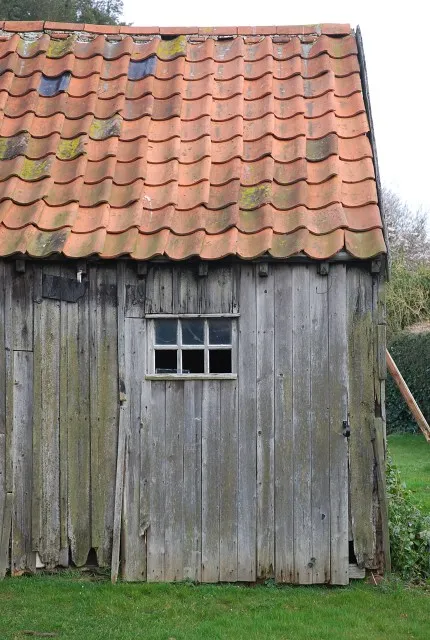
George's lectures made the case for science as something you can do with the stuff already in your house. That is a very British kind of blockbuster: less cape, more shed. The demos are built around everyday objects and the audience is invited to see their own kitchen or garage as a laboratory. It is a smart production choice because it removes the excuse that science happens somewhere else, to someone else, wearing a better coat.
For filmmakers, the lesson is about sets. A lecture theatre can be grand, but a domestic setting can be just as strong if the stakes are clear. The UK has a long tradition of shed-based ingenuity and kitchen-table experiments; science telly should use it without turning it into a twee montage of jam jars. Show the mess, the failed first attempt and the moment the thing finally works.
6. Hannah Fry, Secrets and Lies (2019): the data whodunnit
Fry's lectures turn maths and data into a detective story. The subject could have been dry; instead it is structured around patterns, suspicion and the pleasing unease of realising that numbers can mislead. The audience is part of the reveal. That is exactly what modern science documentaries often lack: a sense that the viewer is being invited to solve something rather than simply told the answer.
UK science filmmakers can steal the structure. Set up a question, plant the evidence, let the audience form a theory, then complicate it. Do not hide the maths behind moody graphics; dramatise the uncertainty. A good data story is a whodunnit where the culprit is often a bad assumption.
What modern science telly should steal — and what it should leave
The best Christmas Lectures understand that a live audience is a tension meter. You can cut away to animations, but the room gives you stakes: someone might laugh, a demo might fail, a question might land badly. That is not a flaw to be edited out. It is the reason the format has lasted.
They also understand the power of a single question. Faraday's candle, Miodownik's scale, Fry's data patterns: each lecture has a spine. Too much science TV is a collection of interesting bits looking for a narrative skeleton. The RI format is a reminder that one room, one presenter and one good question can carry an hour.
What should be left behind? The lone-genius framing, for a start. The historical archive is full of clever people, but it is not a diversity training video. Some old lectures are slow, stagey and assume a very particular kind of audience. Modern filmmakers should use the archive with context, not pretend every grainy broadcast was a crisp widescreen triumph. Nostalgia is not a production value.
The cinema with better acoustics
If you need a reminder that science telly can be made with one room and a good question, start with Faraday's candle and end with Fry's data detective work. Then go and make something. The lecture theatre was Britain's first science cinema; it still has better acoustics than most streaming interfaces. And unlike a lot of modern science TV, it knows that the best special effect is a person in front of an audience, about to find out whether the demo will behave.